



Replacing receptacles: GFCI, AFCI and TR rules
A replacement receptacle must meet current rules where the location now requires GFCI, AFCI, tamper-resistant or weather-resistant protection. Where no ground exists, a 3-prong replacement needs GFCI protection and labels.
What the code requires
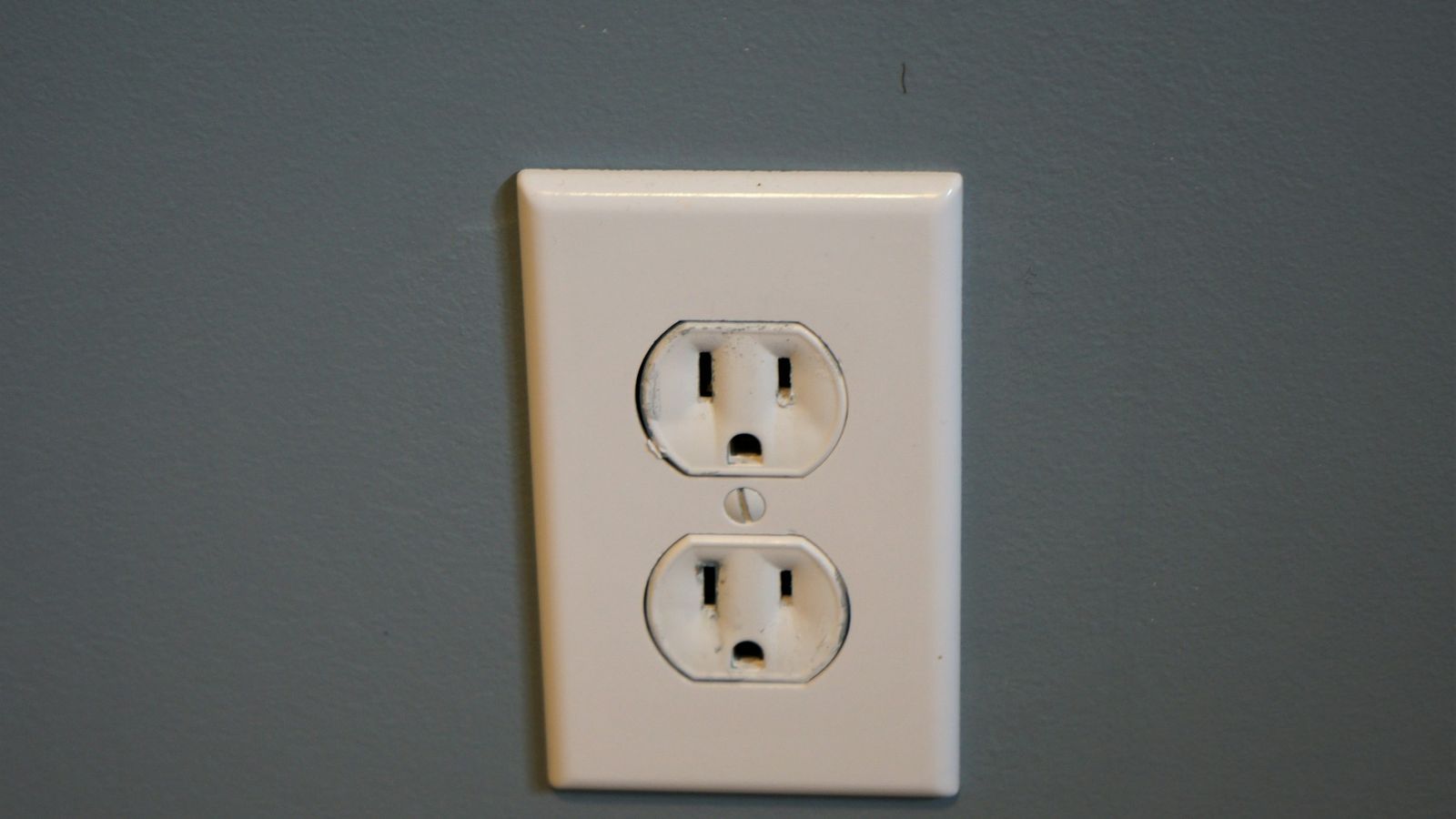
When a receptacle is replaced, the new one must meet several current requirements. Replacement AFCI- and GFCI-type receptacles must be readily accessible. Where a grounding means or equipment grounding conductor exists in the box, a grounding-type receptacle must be used.
Where no ground exists, the options are a non-grounding receptacle, a GFCI receptacle labeled No Equipment Ground, or a grounding-type receptacle fed through a GFCI and labeled GFCI Protected and No Equipment Ground. No equipment grounding conductor may be run between those receptacles.
Where the code now requires GFCI protection, the replacement must be GFCI-protected, and since 2023 the GFCI must be listed. Where a receptacle is replaced in a dwelling-unit or dormitory-unit area that requires AFCI protection under 210.12, the replacement must be a listed outlet branch-circuit AFCI receptacle, be protected by one, or be on a listed combination AFCI breaker.
Replacements must be tamper-resistant and weather-resistant wherever those are required. Controlled receptacles are replaced with controlled ones; if automatic control is no longer required, the replacement and its faceplate must not carry the controlled marking. New in 2023, ground-fault protection of equipment (GFPE) must be provided where it is required.
On the job
- A simple swap in a kitchen, bathroom, garage or outdoors without GFCI protection is a common correction.
- A 3-prong receptacle on a 2-wire circuit without GFCI protection and the required labels is another frequent problem.
- Non-tamper-resistant replacements in homes get flagged.
Exceptions that matter
- If the box is too small for a GFCI receptacle, a receptacle of the existing type may be used if it is GFCI-protected and labeled.
- The AFCI exception for branch-circuit extensions in 210.12 does not apply to replacements.
- Tamper-resistant receptacles are not required when a non-grounding receptacle replaces another non-grounding one, or, new in 2023, when aluminum wiring is terminated directly on a CO/ALR-rated replacement.
What changed in 2023
The 2023 NEC required the GFCI to be listed, added a tamper-resistant exception for aluminum wiring on CO/ALR replacements, and added the GFPE item.
Related sections
- NEC 210.8
- NEC 210.12: Arc-fault (AFCI) protection in homes
- NEC 406.12: Tamper-resistant receptacles
- NEC 250.130(C): Adding a ground to an old two-prong outlet
- NEC 406.9: Receptacles outdoors and near tubs and showers
Where this comes from
Send a photo. Get a real answer.
Text is fastest. If you smell something burning or see smoke, call 911 first and keep away from the panel.
Kyle Robert Anderson KBC Electric · CSLB #1073066 · C-10 Electrical · Licensed since 2021