



Solar rapid shutdown
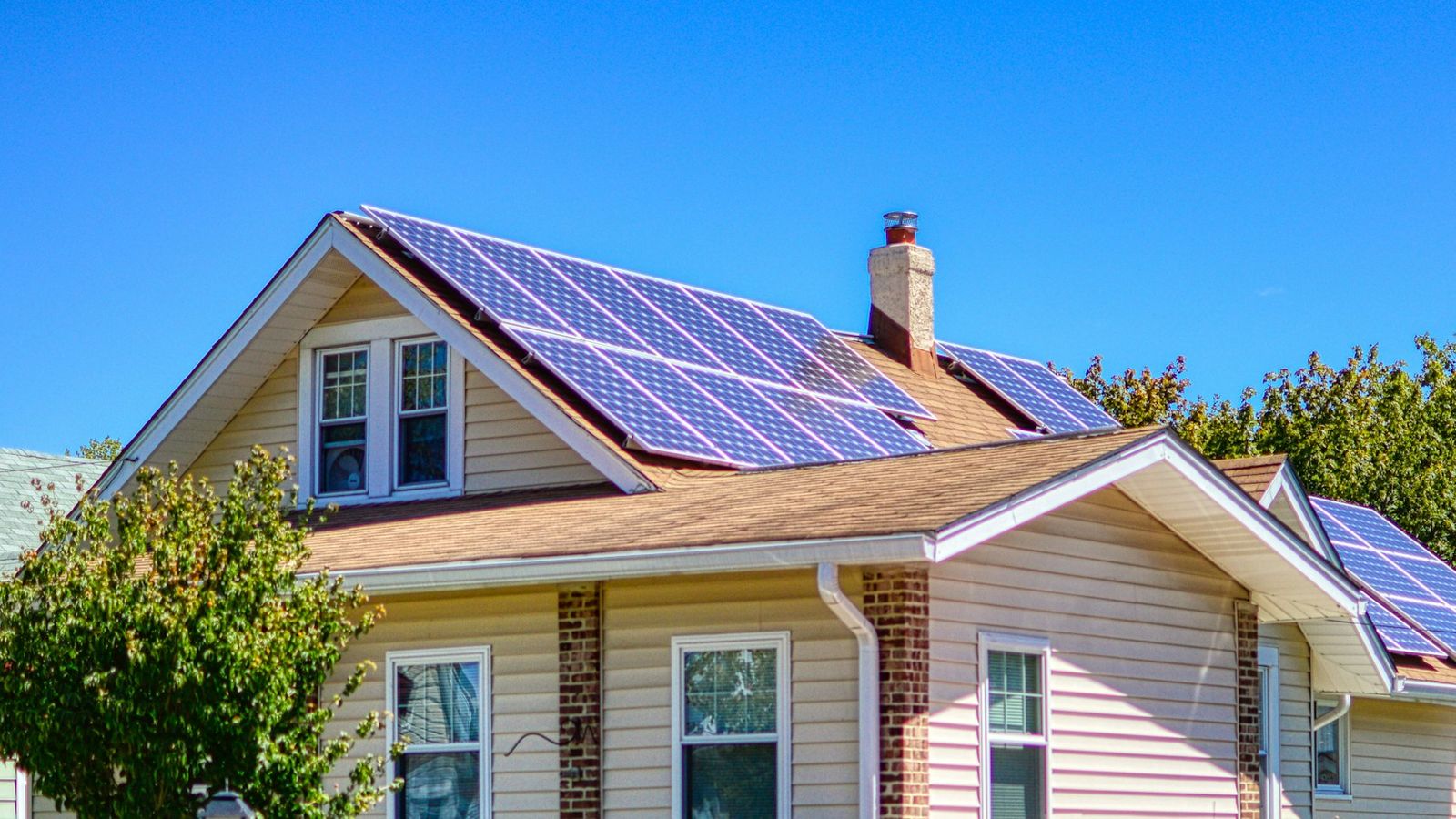
PV systems on or in buildings need rapid shutdown. Once it is started, conductors inside the array boundary must drop to 80 V or less within 30 seconds, unless a listed PV hazard control system is used instead.
What the code requires
Rapid shutdown applies to PV system circuits installed on or in buildings. When it is started, conductors inside the array boundary must be brought to 80 V or less within 30 seconds. The other option is a listed or field-labeled PV hazard control system (PVHCS, tested to UL 3741) installed per its instructions. The array boundary is 1 ft from the array in all directions. Conductors outside it, or more than 3 ft inside the building from where they enter, must drop to 30 V or less within 30 seconds.
The initiation device's off position must show that rapid shutdown has been started. For one- and two-family dwellings it must be at a readily accessible outdoor location. It may be the service disconnect, the PV system disconnect, or a readily accessible switch that shows on and off. Where several PV systems share a service, no more than 6 switches or sets of breakers may be used.
Equipment and systems may be used to meet both the inside and outside requirements, as the manufacturer's instructions that come with the listing define.
On the job
- Inspector guidance calls for the plans to state which inside-the-array option is used: the 80-V method or a PV hazard control system.
- With a PV hazard control system, the equipment on its certificate must match what is installed. With the 80-V method, expect to provide datasheets or voltage logs.
- On a house, the rapid shutdown switch must be outdoors and readily accessible.
Exceptions that matter
- Exception 2, new in 2023: non-enclosed detached structures such as carports, parking shade structures and solar trellises.
- Exception 1, carried over from 2020: ground-mounted PV system circuits that enter a building whose only purpose is to house PV system equipment.
- Circuits from arrays not attached to the building that end on the building exterior, and circuits installed under 230.6, are not treated as controlled conductors.
What changed in 2023
The 2023 edition added Exception 2 for open carports and similar structures, stopped treating circuits from detached arrays that end on the building exterior (and 230.6 circuits) as controlled conductors, dropped the 2020 inside-array option based on no exposed wiring kept 8 ft from grounded parts, allowed equipment to meet both the inside and outside requirements as its listed instructions define, and moved rapid shutdown marking from 690.56(C) into 690.12(D).
Related sections
- NEC 690.4(B)
- NEC 690.13: Solar PV system disconnect
- NEC 690.56
- NEC 705.10
- NEC 230.6
Where this comes from
Send a photo. Get a real answer.
Text is fastest. If you smell something burning or see smoke, call 911 first and keep away from the panel.
Kyle Robert Anderson KBC Electric · CSLB #1073066 · C-10 Electrical · Licensed since 2021